 Previously imprisoned
Fattoum Mint Ibrahim
Activist
Export PDFA social media activist who addresses social justice issues
The activist Fattoum Ibrahim Context and Reasons for Arrest
The Retirees' Broadcast
The case began when activist Fattoum Ibrahim hosted a live broadcast on her Facebook page featuring a number of military retirees. During the broadcast, the retirees shared their living struggles, with some stating that their salaries do not exceed 7,000 old Ouguiya. Fattoum criticized the class disparities between generals, whose children live abroad, and retired soldiers who cannot afford food or medical treatment. She also called on citizens to participate in a peaceful "protest vigil" to demand lower prices, emphasizing that she is not affiliated with any political party or movement.
Summons and Investigation
The Cybercrime Police summoned Fattoum for investigation following this broadcast. During questioning, she was asked about her motives and any party affiliations; Fattoum denied any political links, asserting that her sole motive was the "shared harm" suffered by the Mauritanian people due to the high prices of gas, meat, and basic commodities. Fattoum described the treatment during the initial investigation as "respectful," noting that she was provided with tea and medicine, although the charges themselves were harsh.
Charges and Legal Classification
The Public Prosecution charged Fattoum with: "Influencing the morale of members of the armed forces and destabilizing their loyalty". Her defense lawyer, Moulaye El Hafedh, raised a legal paradox, noting that the prosecution classified the charge based on Article 5 of the Cybercrime Law. This article relates exclusively to "damaging, destroying, or distorting computer data" and has no legal connection to the morale of the army, making the legal classification inconsistent with the actual charge brought against her.
Period of Imprisonment and Suffering
Fattoum was referred to the Women’s Prison in the Arafat district of Nouakchott for pre-trial detention. She spent approximately one month and five days in prison. During this period, reports and videos emerged showing a deterioration in her psychological state; she was described as "oppressed" and suffering from chronic illnesses such as diabetes and high blood pressure. Furthermore, she is a widow who supports an orphan.
Apology Video from Inside Prison
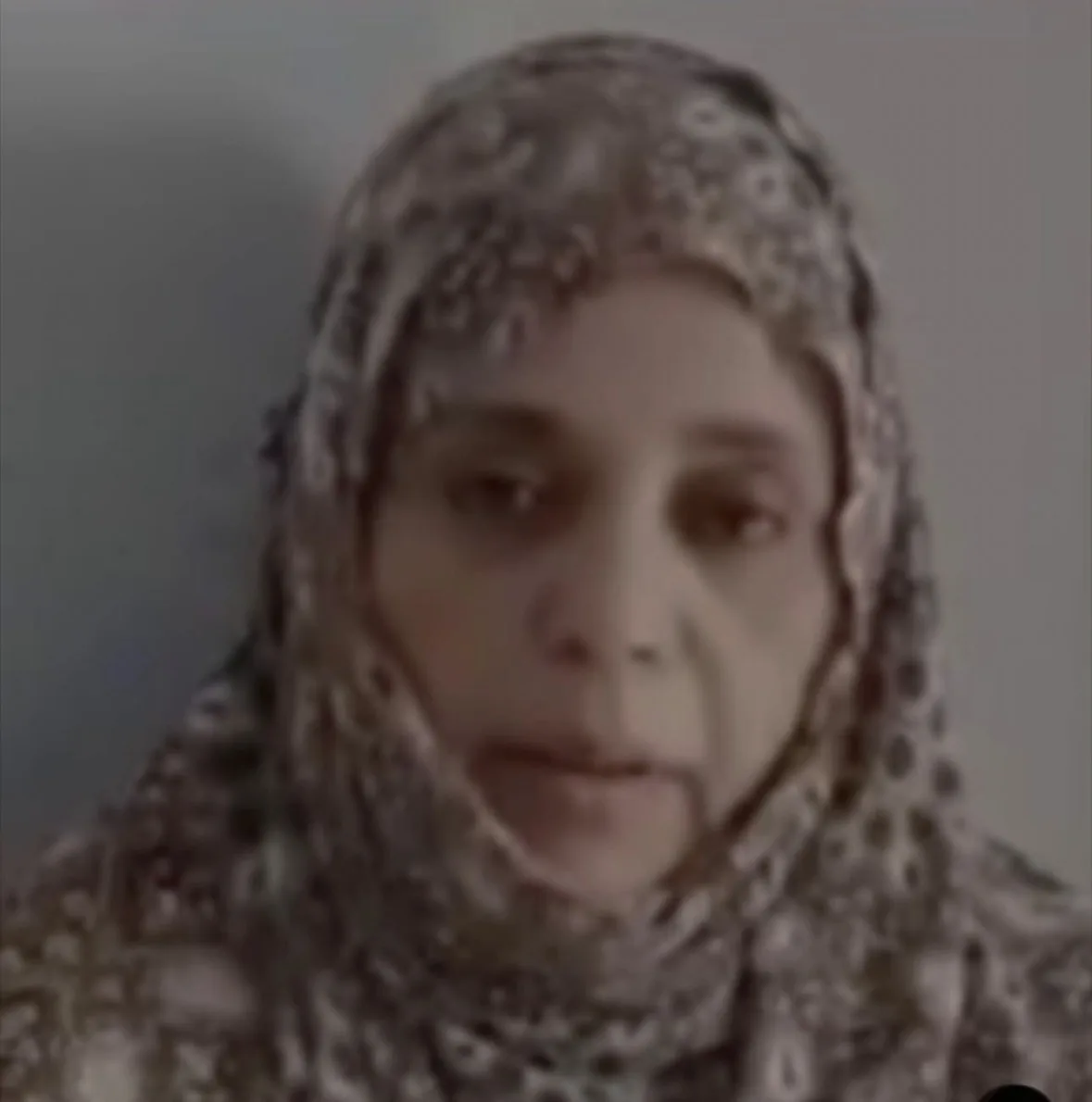
In a notable development prior to her release, Fattoum appeared in a video filmed from inside the prison offering a formal apology to the Public Prosecution. In the video, she stated that she apologized for the "beautiful words" (using an ironic or intentional tone) she spoke during the broadcast on June 15, 2026, and pledged not to engage in such topics in the future.
Note: Observers and activists considered this apology to have been "extracted under pressure and coercion" as the only means to exit prison, noting that her features in the video reflected a sense of brokenness.
Release Activist
Fattoum Ibrahim was released following this apology. In subsequent interviews after her release, she recounted the details of her detention, stressing that she did not intend to incite anyone. Instead, she maintained that she was calling for restraint during protests to prevent the destruction of public property, emphasizing her constitutional right to express her suffering as an affected citizen.
Conclusion: The case of Fattoum Ibrahim documents the use of the National Symbols Law and the Cybercrime Law in Mauritania to stifle social and political criticism, even when it concerns specific livelihood and welfare demands.
Cybercrime Police
Women’s Prison in the Arafat district
Timeline
—
Documents
—