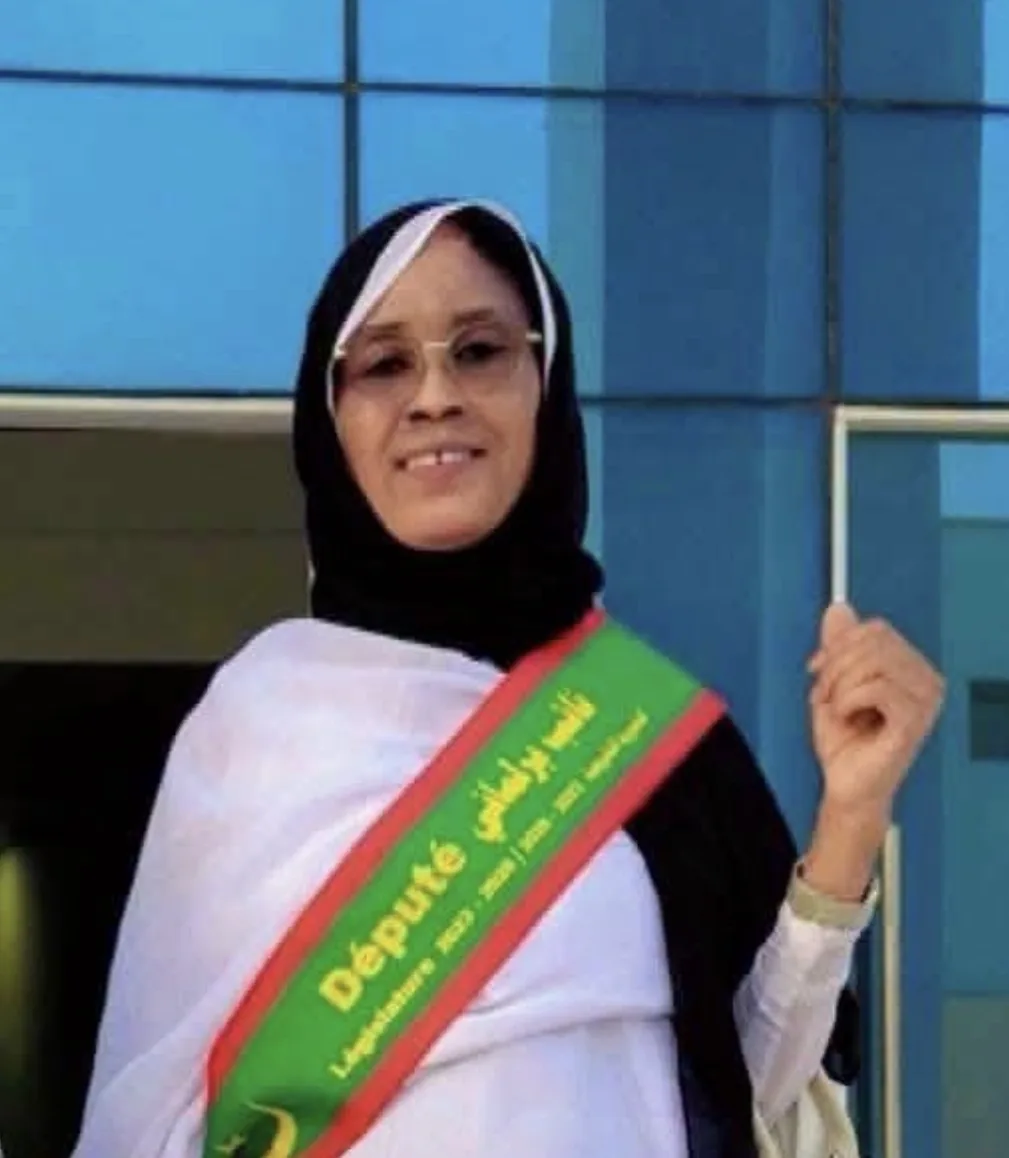
 Previously imprisoned
Gamo Achour
Parliamentarian and IRA movement activist
Export PDFA parliamentarian and IRA movement activist reportedly referred to prison on 20 April 2026.
Parliamentary Immunity vs the 'Symbols Law': An Analysis of the Crisis Involving MPs Mariem Cheikh and Qamhe Salem and the Challenges to Civic Space in Mauritania
Intentional offense against national symbols through digital media, issuing and distributing racist expressions, threats and defamation, calls to gather, and incitement to violence. The Trajectory of the Case of MPs Mariem Cheikh and Qamhe Salem from Arrest to Pardon and Return to Parliament In 2026, Mauritania witnessed a prominent human rights and political case involving the arrest of two anti-slavery members of parliament, Mariem Cheikh Samba Dieng and Qamhe Salem (also known as Qamhe Achour). Both are members of the "IRA" movement and were elected through the opposition "Sawab" party.
Start of the Crisis:
Live Broadcast and Arrest The crisis was sparked on April 9, 2026, when MP Mariem Dieng hosted a Facebook live broadcast denouncing discrimination and human rights violations against anti-slavery "Haratine" activists, as well as the detention conditions of women in that community. On the evening of the same day, she was violently arrested from her home and taken away along with her three-month-old infant. The following day, April 10, MP Qamhe Salem published a broadcast denouncing her colleague's arrest and questioning its legality given their parliamentary immunity; she was also arrested that same day. Charges and Legal Standing The Ministry of Justice issued a statement claiming that the MPs' actions constituted a case of "flagrante delicto" (caught in the act), which supposedly bypassed their parliamentary immunity. The Public Prosecution charged them with "deliberately insulting national symbols via digital media" and publishing "racist comments aimed at undermining civil peace and social cohesion," in addition to incitement to violence and defamation. The defense team maintained that the procedures were invalid and insisted on their parliamentary immunity, noting that detention conditions were harsh, particularly with Mariem Dieng and her infant being held in solitary confinement at the Police School prison. Trial Trajectory: From Prison to Political Stripping Initial Sentence (May 4, 2026): The Criminal Court in West Nouakchott sentenced the two MPs to four years in prison, imposed fines, and ordered the closure of their social media accounts. Appeal Judgment (July 8, 2026): The court reduced the prison sentence to two years, but added a severe
secondary penalty:
stripping them of their civil and political rights for five years, which would automatically lead to the loss of their parliamentary seats. Presidential Pardon and Release On July 9, 2026, President Mohamed Ould Cheikh El Ghazouani issued a decree granting a presidential pardon to the two MPs, which included an exemption from the remaining prison time and the cancellation of fines. Following this pardon, they were released on July 10, 2026. Controversy over the Return to Parliament Despite the pardon, the two MPs initially faced a ban on entering the parliament building on July 14 by the National Guard. However, the Constitutional Council settled the controversy on July 15 with a decision stating that the two MPs would retain their seats in the National Assembly until a final ruling was issued by the Supreme Court, arguing that the appeal judgment was still subject to challenge and had not yet become final. Return and Disruption of Sessions On July 16, 2026, the two MPs were able to enter Parliament and attend a public session, which caused confusion and debate leading to the disruption of the session and the walkout of several opposition MPs in protest against the restrictions the two MPs had faced. The case remains a complex test of judicial independence, the limits of parliamentary immunity, and the balance between protecting public order and safeguarding political rights in Mauritania.
Mauritanian judicial authorities
Prison — according to provided information
Timeline
Referred to prison
Documents
—